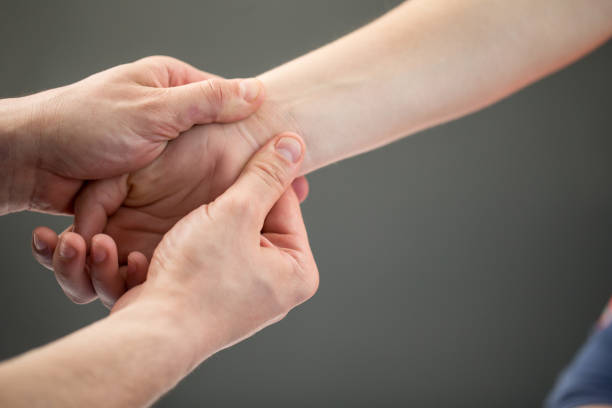
Active Release Technique (ART) is a very specific, hands-on technique that aims to find the places where the muscles, tendons and other soft tissues are stuck together and then works to get them moving again like they’re supposed to. The main difference between ART and the style of massage most people are familiar with is that ART providers are required to go through regular in-person, hands-on seminars, and are tested by highly trained instructors to maintain their annual certification. It is considered to be the Gold Standard of soft tissue therapy.
To learn the full story and history of Active Release, visit https://activerelease.com/about. For the Active Release frequently asked questions, visit https://activerelease.com/patients/#faqs
Common Active Release Technique (A.R.T.) Questions:
Q: Is this a form of pain management?
A: Not really. A.R.T. is SO MUCH MORE than traditional forms of pain management (medication, massage, hot/cold packs). It aims to find the cause of muscular/skeletal pain and then works to restore normal, long-term, pain free movement; without medications or surgery.
Q: Do you use needles? Like acupuncture?
A: No. A.R.T. is a hands-on technique, where the therapist uses their hands and client movement to manually pull muscles away from each other.
Q: Is it similar to trigger point therapy?
A: No. Trigger points are discrete, focal, hyper-irritable spots in a taut band of skeletal muscle. A.R.T. treats muscles and their tendons as whole structures. Trigger points may be treated during a session, but they aren't the sole focus.
Conditions ART can help with are:
- Athletic Injuries
- Ankle Sprains
- Arthritis
- Back Pain / Injury
- Bicipital Tendonitis
- Bursitis
- Carpal Tunnel Syndrome
- Compartment Syndrome
- Foot Pain
- Frozen Shoulder
- Golfers Elbow
- Hip Pain (Ilio-Tibial Band Syndrome)
- Knee Pain
- Muscle Pulls & Strains
- Muscle Weakness
- Nerve Pain
- Nerve Entrapment Syndrome
- Plantar Fasciitis & Heel Spurs
- Running Injuries
- Sciatica
- Shin Splints
- Shoulder Pain
- Swimmer’s Shoulder
- Rotator Cuff Syndrome
- Tendonitis
- Tennis Elbow
- Thoracic Outlet Syndrome
- Throwing Injuries
- TMJ Dysfunction
- Weight Lifting Injuries
- Whiplash